☕ DrinkCoffeeAndProfit
Smart money moves before breakfast
Thought for Tonight
“If you don’t find a way to make money while you sleep, you will work until you die.”
— Warren Buffett
The Evening Move
He Woke Up $47 Richer. He Has No Idea Which Company Paid Him.

Hank checked his brokerage account this morning before coffee. There was $47 more than yesterday. He did not sell anything. He did not trade anything. He did not even open the app last week. A distribution from one of his holdings landed overnight while he was asleep. It happens every few weeks. Sometimes $32. Sometimes $61. He does not know which holding paid him until he looks. He stopped caring two years ago. The money shows up. That is the whole system.

The Numbers
Only about 33% of Americans own individual stocks or funds that pay regular distributions. The other two-thirds earn zero investment income while they sleep.
Energy infrastructure partnerships — the companies that move oil and gas through pipelines, terminals, and processing plants — pay average yields of 8 to 10% per year. That is four to five times what a high-yield savings account pays.
This morning we showed you how tariffs silently take $900 a year from your household. Tonight the question is simpler: how much is your money putting back while you are not watching?
· · · Partner Message · · ·

In his most recent interview with The Economist, Elon Musk said that because of AI “money will be irrelevant by the year 2036.”

I can see that happening too.

AI is already displacing millions of jobs.

One report says 40% of all jobs could be automated within the next decade.

When that happens, the government will have no choice but to pay people some sort of Universal Basic Income.

But this could take 20 years to materialize.

So while Musk tweets and Congress holds hearings, what are you supposed to do? Wait?

I don’t think so.

But you don’t have to. Universal Income already exists.

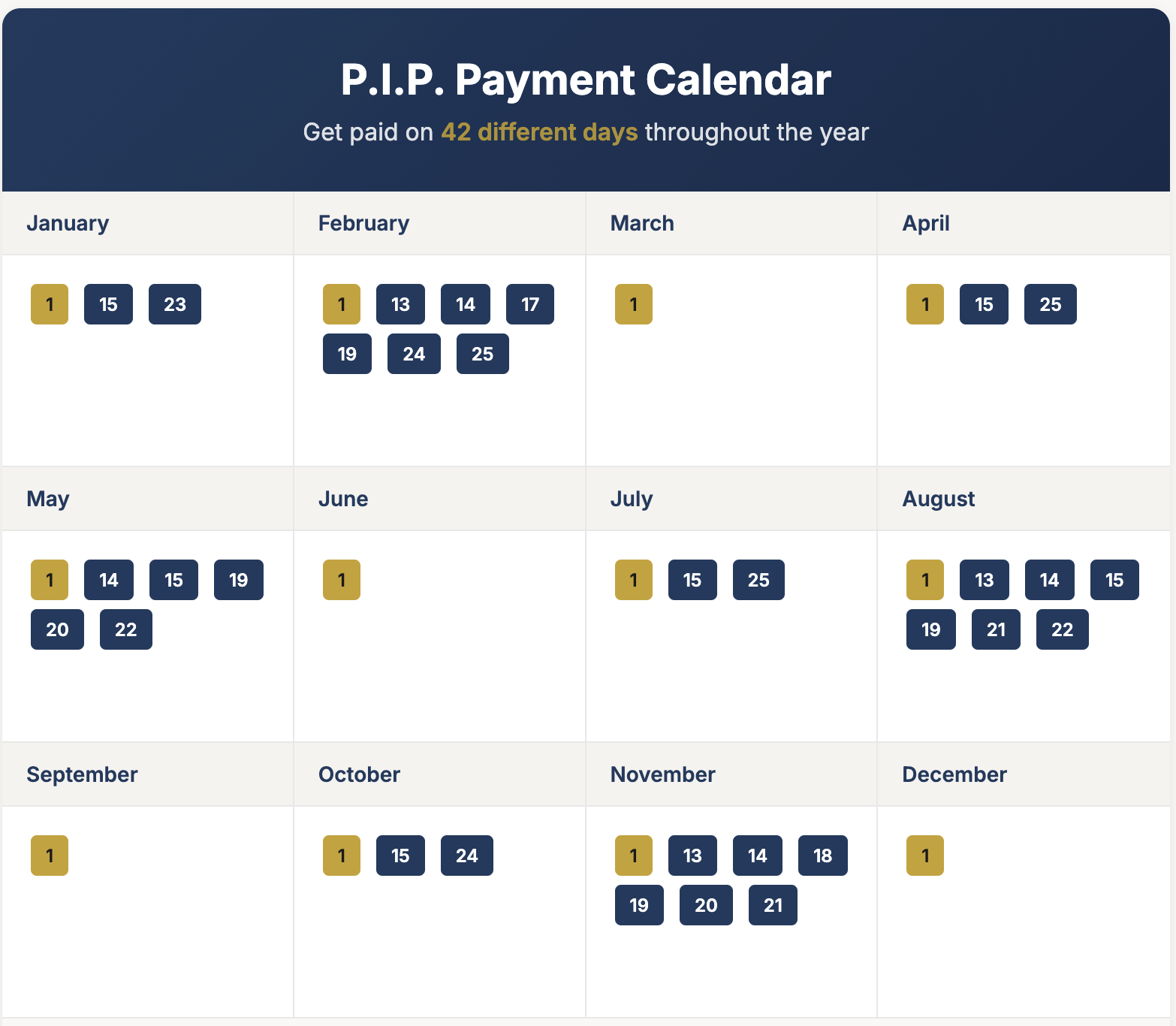
It’s not funded by robots or AI. It’s funded by America’s oil and gas infrastructure, and it pays 10% a year, 42 times a year, to everyone who holds units.

P.I.P. Payment Calendar

It’s called the Patriot Income Plan, or P.I.P. for short.

And this year it’s expected to pay a record $53 billion in distributions.

Think of it as your own personal sovereign wealth fund, backed by the biggest energy producer on planet earth.

P.S. Since 2020, the average partnership in P.I.P. has produced 20% avg. annual gains. That’s in addition to the 10% yield. One investor already collects $4,800 a month. Another hasn’t worked in years. Show me something better. I’ll wait. [Enroll in P.I.P. →]
Why Most People Never Start

Because it sounds like something only rich people do. Hank thought that too. He started with $2,000 in a single energy infrastructure fund three years ago. He reinvested the distributions. The account compounds now. He adds $100 a month when he can. The deposits keep arriving whether he adds anything or not. There is no minimum to begin. There is no special account. The same brokerage app that holds your index fund can hold a dividend-paying partnership.

The difference between a savings account and a cash-flow asset is one decision. The savings account pays you 4%. The infrastructure pays you 8 to 10%, plus the value of the underlying asset grows. Hank made that decision on a Tuesday night three years ago. He has collected a deposit every few weeks since.

☕ Tonight’s Move:
Look up the yield on one energy infrastructure ETF or MLP before bed. If it pays more than your savings account and you can stomach the volatility, move 5% of your idle cash there. The first distribution usually arrives within 30 to 45 days. That is the beginning of money that works while you sleep.
Quick List

Hank did not quit his job. He did not become a day trader. He bought one thing that pays him regularly and set the distributions to reinvest. Three years later, that one decision adds $47 to his account while he sleeps. Your money is either working the night shift or it is not. Tonight is a good night to check which one it is doing.

Keep Reading