|
☕ DrinkCoffeeAndProfit
Smart money moves before breakfast
|
· · · Partner Message · · ·

|
Reg A+ · Nasdaq $RYSS reserved
|
Investor briefing · Cleantech
This isn’t just smart home. It’s cleantech.
Roughly $35 billion in heating and cooling energy escapes through U.S. windows every year. RYSE’s AI-driven shading cuts up to 24% of cooling load. The share price recently rose to $2.50, up from $2.45.
Buildings account for 75% of U.S. electricity use, and 92% of window shades are still controlled by hand. Nobody is around to lower them when the sun heats a room or raise them to capture natural light.
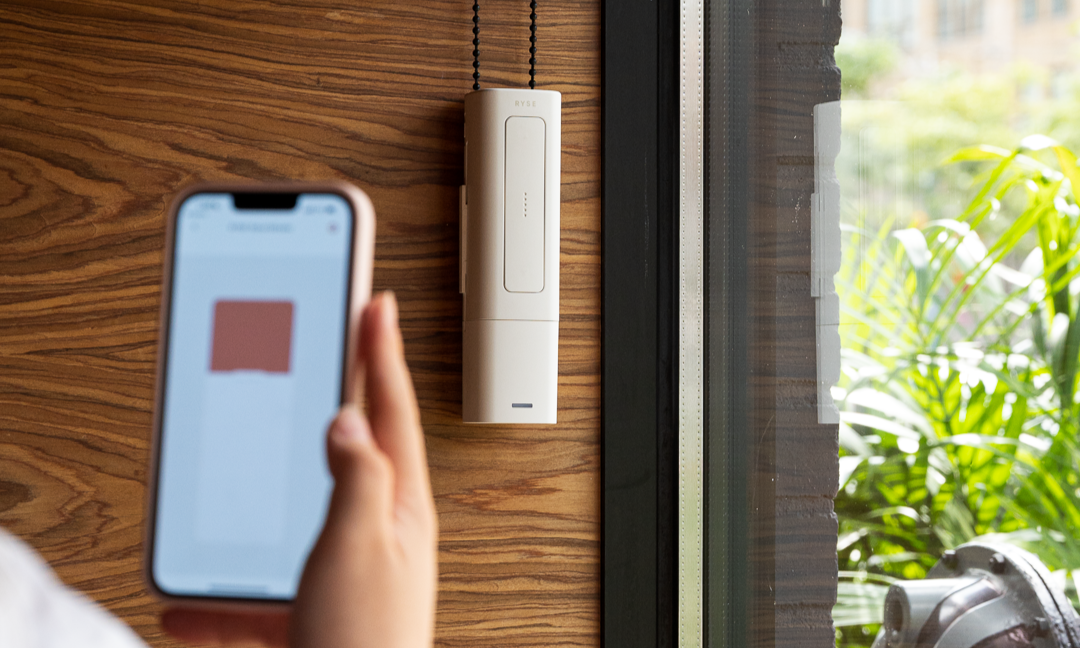
RYSE retrofits existing window coverings with patented robots that learn user routines and use sensor data to manage light, heat, and privacy automatically. The result is up to 24% lower cooling energy and 20% lower lighting energy.
That impact earned RYSE a CAD $4M (~$3.2M USD) cleantech grant, non-dilutive and non-repayable. Today the Reg A+ round is open at $2.50 per share ahead of a potential listing under reserved Nasdaq ticker $RYSS.
|
24%
Energy savings
|
$3.2M
Cleantech grant
|
$15M+
Revenue
|
10
Patents granted
|
|
Current pre-IPO share price
|
$2.50 / share
|
Next increase ahead
|
|
~$1,002 minimum · IRA eligible · No lock-up · Bonus shares available
Bonus shares program
| $2,500 |
+10% bonus shares |
| $10,000 |
+20% · effective $2.08/share |
| $100,000 |
+40% · effective $1.79/share |
| $250,000 |
+50% · effective $1.67/share |
Important disclosures. This is a paid advertisement for RYSE Inc. made pursuant to a Regulation A+ offering and involves risk, including the possible loss of principal. The valuation is set by the Company; there is currently no public market for the Company’s Common Stock. Nasdaq ticker “$RYSS” has been reserved by RYSE; any potential listing is subject to future regulatory approval and market conditions. Energy savings figures reflect studies of automated shading and may vary by building, climate, and use. SEC qualification does not constitute SEC approval of the merits.
RYSE Inc., 96 Spadina Avenue, Suite 500, Toronto, ON M5V 2J6, Canada
|
|
· · · · · · · · · · · · · · ·
|
Inspiration Quote for the Day
“Beware of little expenses. A small leak will sink a great ship.”
— Benjamin Franklin
|
|
The Morning Ritual
Your Air Conditioner Isn’t the Problem. Your Windows Are.
|
My sister-in-law Diane lives outside Houston. Her June electricity bill came in at `$347`. She has new insulation. A smart thermostat. A two-year-old HVAC system. She looked at the bill and said, “I have done everything right and it still costs more every year.”
She has not done everything. She has done everything except look at the one surface in her house that is leaking money in broad daylight. Her windows.
|
In One Sip
► The average U.S. household will spend `$792` on electricity this summer, up `10.5%` from `$717` last year, per a June 2026 NEADA report. That is `37%` higher than 2020.
► Heat gain and heat loss through windows account for `25%` to `30%` of residential heating and cooling energy use, per the U.S. Department of Energy.
► `76%` of sunlight hitting standard double-pane windows converts to heat inside the home, per DOE data. In a southern summer, that shows up on your bill every month.
► Simply closing blinds during peak sun hours can reduce indoor temperatures near windows by `8` to `15` degrees Fahrenheit, reducing air conditioner runtime.
► `53%` of U.S. households say their electricity bill is a source of financial stress, per a study by Prepaid Electricity. One in six households is already behind on utility payments.
|
Why It Matters for Your Money
If your home spends `$792` this summer on cooling and `25%` of that energy escapes through your windows, you are losing roughly `$198` between June and September. That is not a leaky faucet. That is a garden hose running into the yard.
Each degree you raise your thermostat saves about `3%` on your electric bill, per the DOE. Closing your blinds before the afternoon sun hits can let you raise the setting by four degrees without noticing. That is a `12%` cut in cooling costs just by blocking the heat before it enters.
The problem is simple. Most people are at work when the sun is hottest. The blinds stay open from `9 AM` to `6 PM`. The sun pours in. The AC runs full blast to compensate. You come home to a comfortable house and a bill that makes no sense.
|
The Wealth Angle
Electricity prices have risen `39%` in the last five years, outpacing overall inflation. The culprits this summer: extreme heat, aging grid infrastructure, and the massive electrical demand from new AI data centers. In states like Texas, Arizona, and Florida, summer bills are projected to exceed `$900` to `$1,060` per household.
The DOE just released `$8.8` billion in funding for home energy-efficiency upgrades. Some families may qualify for up to `$15,000` in rebates. But most of the programs focus on insulation, HVAC, and appliances. Windows remain the blind spot in the blind spot.
I think the reason most people overlook windows is because they do not look broken. The glass is not cracked. The seal seems fine. But every afternoon the sun is turning them into space heaters and nobody is home to do anything about it. That gap between what your house needs and when you are there to manage it is where the money goes.
|
☕ Key Insight:
Your windows are not broken. They are just unmanaged. The sun heats your house from 10 AM to 4 PM and your blinds sit open because nobody is home to close them. That six-hour gap is the most expensive part of your electricity bill.
|
Coffee Break Move
If you have the bandwidth: Walk through your house this weekend and identify which windows get direct afternoon sun. Those are your expensive windows. Close the blinds on just those windows before you leave the house on Monday. Track your AC runtime. You will notice the difference before the week is over.
If you want to go further: Look at programmable or smart window coverings that open and close on a schedule. The DOE says automated shading can cut cooling loads by up to `24%`. The upfront cost pays for itself in a summer or two, depending on your climate. Search “smart blinds” or “motorized shade retrofit” to see what fits your setup.
Diane closed her west-facing blinds before work this week. Five days. Her AC ran `47` fewer minutes a day by her thermostat’s count. She has not done the dollar math yet. But she told me Thursday: “I can hear the difference. The house is quieter in the afternoon.” That is the compressor not running. That is money staying in her pocket.
|
|