☕ DrinkCoffeeAndProfit
Smart money moves before breakfast
Inspiration Quote for the Day
“A cynic is a man who knows the price of everything and the value of nothing.”
Oscar Wilde
The Morning Ritual
Gwen Reads the Big Number on Every Tag and Has Never Read the Small One
My aunt Gwen has shopped the same store for `19` years. She checks the price on every tag before a jar goes in the cart. She has never once looked at the smaller figure printed under it.
That smaller figure is the unit price. It is the only line that lets you compare two jars honestly. It settles about `40` decisions a trip.
In One Sip
► Grocery prices were flat from July to August and up `2.2%` over `12` months, against `3.4%` for everything else. Source: Bureau of Labor Statistics, September `11`.
► Store brands reached a record `23.8%` of grocery units sold in the first half of `2026`. Source: PLMA midyear report, citing Circana.
► As of March, `24%` of grocery purchases were store brand, against `17.7%` at the end of `2021`. Source: Circana for PLMA, March `2026`.
► In `2025` store brands were about two thirds of the eggs and frozen vegetables sold. At least half of the fresh meat, cheese and milk too. Source: PLMA.
► The quiet part: shoppers kept about `$35` billion in `2025` by taking the store label instead of the national one. Source: PLMA, on Circana unit cost comparisons.
· · · Partner Message · · ·
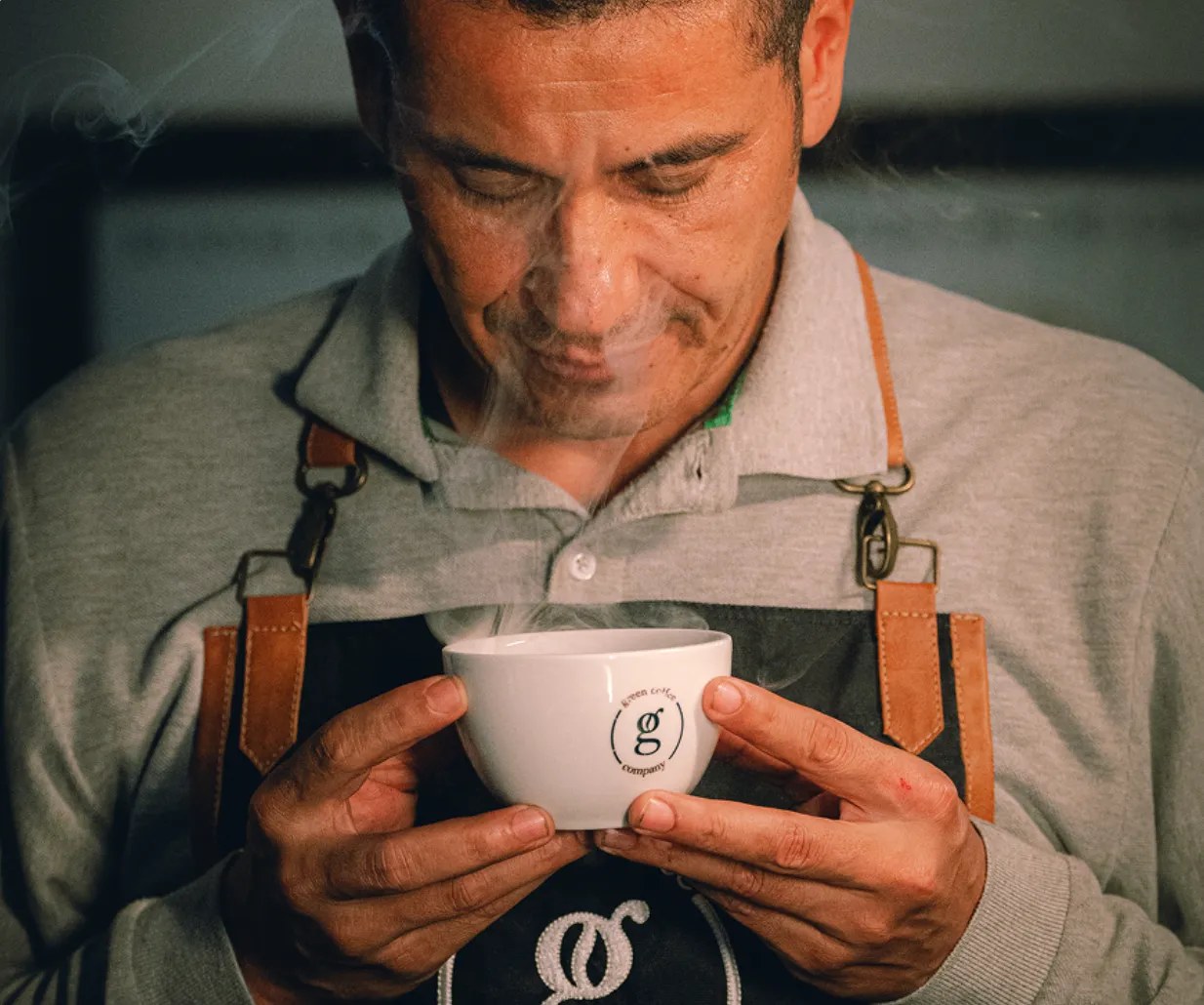
The other side of the counter

Most people meet a company as a customer first and never think about the other side of the counter. You buy the bag, you drink the cup, and the margin goes somewhere you never look.

Green Coffee Company is one you have probably already paid without knowing the name. It is the largest producer of Colombian coffee: 45 farms, more than 10,000 acres, over 10 million coffee trees. This year the harvest is projected at 5.1 million pounds of unroasted coffee, against 2.3 million last year. Its wet mills process more than a million pounds a week, the largest capacity in the country.

Where you met it is the retail side. More than 3,000 stores. 130+ grocery chains. 21 states. Target planned 55 locations and demand took it past 300. Walgreens went live in 1,700. The company holds exclusive third-party rights to sell Juan Valdez branded coffee across U.S. and Canadian retail and institutional channels. It distributes that brand. It does not own it.

Revenue went from $1 million in 2021 to $26 million in 2025.

Here is the honest shape of the two positions. As a customer you pay retail every week and own none of what happens between the farm and the shelf. As a shareholder you own a slice of a private company and there is nowhere to sell it. Those are different risks, not better and worse ones.

What it costs to cross over: $1.10 a share, $1,001 minimum, roughly 910 shares, no accreditation required, up to 20% bonus shares at higher tiers. What you are accepting: unlisted and illiquid stock, no secondary market, transfers subject to board approval, years of waiting and a real chance of losing the whole position. Non-accredited investors may put in no more than 10% of the greater of annual income or net worth.

The cup happens tomorrow morning either way. Only one of these two decisions has a date on it.

Lock in the $1.10 share price by September 30th.

Read the offering circular: invest.greencoffeecompany.com

Private investments are speculative and illiquid. Returns are not guaranteed. Review the offering circular before investing.

Under Regulation A, a company may change its share price by up to 20% without requalifying the offering with the Securities and Exchange Commission.
Why It Matters for Your Money
The unit price is the cost per ounce or per pound. Most states require it on the tag. It exists because the front price and the package size are chosen by two different people with two different jobs.
That is why the big jar is not always the cheap jar. It is why a sale on the national brand sometimes beats the store label that week. The tag tells you which is true today, and it takes two seconds.
Run it on a month. Take a household spending `$900` at the register. Move a quarter of that cart to the store label at `25%` less, and the month falls about `$56`. Over a year that is `$672`.
That needs no coupon, no app, no different store, no worse dinner. It needs one number that is already printed in front of you.
The Wealth Angle
Here is what interests me about the cart. It is the one financial decision a household makes `50` times a year without ever calling it a decision.
Two things can be true. A familiar label does real work, because you know how it tastes. You are also paying for the advertising that made it familiar. The store label beside it came from a manufacturer who makes that category for a living.
The share numbers say your neighbours worked this out already. Store brands did not slip back once prices cooled. They kept climbing. That is a habit, not a panic.
My own version is narrow and it fits in a pocket. I photograph the shelf tag, not the product. Next trip I know what I actually paid per ounce, and the memory of the front price stops mattering.
☕ Key Insight:
The front price tells you what one package costs. The unit price tells you what you are buying. Gwen has been reading the first number for `19` years and deciding with the second one never entered the trip.
Coffee Break Move
If you are comfortable: Pick the five things you buy every single week. Coffee, milk, eggs, bread, whatever your five are. Compare the unit price on those five only, switch the ones that win, and leave the rest of the cart alone. Five items is a trip, not a project.
If you are stretched: Write the list before you go and put the unit price beside each line from last week’s receipt. A list built on per ounce numbers survives the aisle. A list built on habit does not.
Gwen is going back Saturday, same store, same cart. The tag will be there either way. The only open question is which of the two numbers on it she reads first.

Keep Reading